
How to Choose Your Next Hair System
If you’re reading this, chances are you’ve either had a hair system that didn’t deliver the results you hoped for, or you’re exploring hair replacement for the first time. Either way, choosing your next hair system is a decision worth getting right. The wrong choice can mean months of discomfort, self-consciousness, and wasted money. The right one can give you back the look — and the confidence — you deserve.
Here’s a practical guide to help you make an informed decision.
1. Understand Your Lifestyle First
Before looking at systems, think honestly about your daily routine. Do you swim, sweat heavily at the gym, or spend long hours outdoors in humidity? Are you someone who wants a low-maintenance solution, or are you comfortable with regular styling and upkeep?
Your lifestyle directly determines which base material, adhesive type, and attachment method will work best for you. A system that doesn’t fit your routine will always feel like a burden.
2. Choose the Right Base Material
The base is the foundation of your entire system, and it’s the single biggest factor in how natural the result looks.
Lace bases are lightweight and breathable, offering an incredibly natural hairline. They’re ideal for active lifestyles but may require more frequent replacement.
Skin (polyurethane) bases create a seamless bond against the scalp and are virtually invisible at the hairline. They’re great for a natural appearance but can feel warmer in hot climates.
Monofilament bases are durable and offer multi-directional styling. They’re a solid middle ground for those who want longevity without sacrificing too much realism.
Hybrid bases combine materials — for example, a lace front with a monofilament crown — to balance natural appearance and durability.
Key question to ask: Which base matches both your skin tone and your activity level?
3. Get the Color Right
This sounds obvious, but it’s the most common reason systems fail. A color that’s even half a shade off will look unnatural, especially under sunlight or bright indoor lighting.
Natural hair isn’t one flat color. It has depth, dimension, and subtle variations. When choosing your next system:
Match the base color to your natural hair at the sides and back.
Add highlights or lowlights for dimension.
Consider graying if appropriate for your age — a completely uniform color looks artificial.
Always request to see color rings or samples in person, and compare them under natural light before committing.
4. Pick the Right Density
Density refers to how much hair is attached to the base. Too dense, and the system looks like a helmet. Too thin, and it doesn’t provide the coverage you need.
A natural head of hair has varying density — lighter at the hairline and temples, gradually thicker toward the crown and back. Your system should follow the same pattern. As a general guide:
Light density (60–80%) suits finer hair types and older wearers.
Medium density (90–110%) works for most people.
Heavy density (120%+) is rarely necessary and often looks unnatural.
About Me
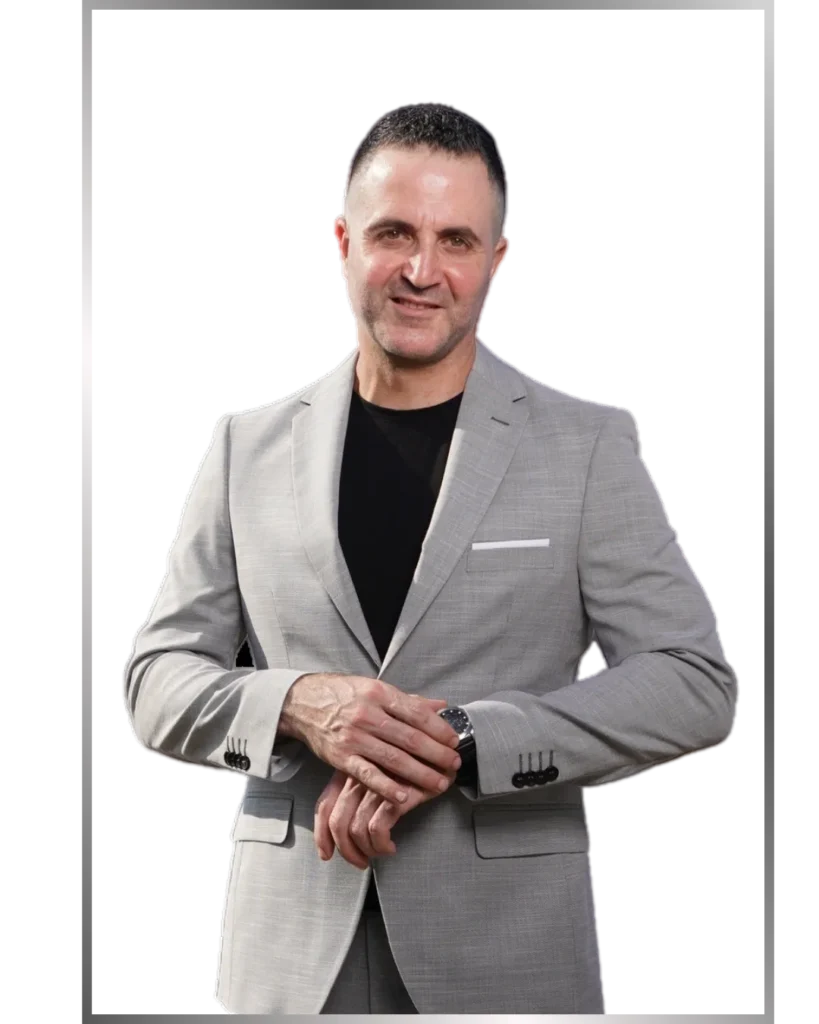
Issam Saadi
Founder, New Image Hair Replacement Centre
With over 25 years of experience in the hair replacement industry, Issam has helped individuals regain not just the appearance of natural-looking hair, but also confidence and self-esteem. With a strong focus on personalised solutions, quality craftsmanship, and understanding each client’s unique needs, their expertise has made New Image a trusted name in professional hair replacement.
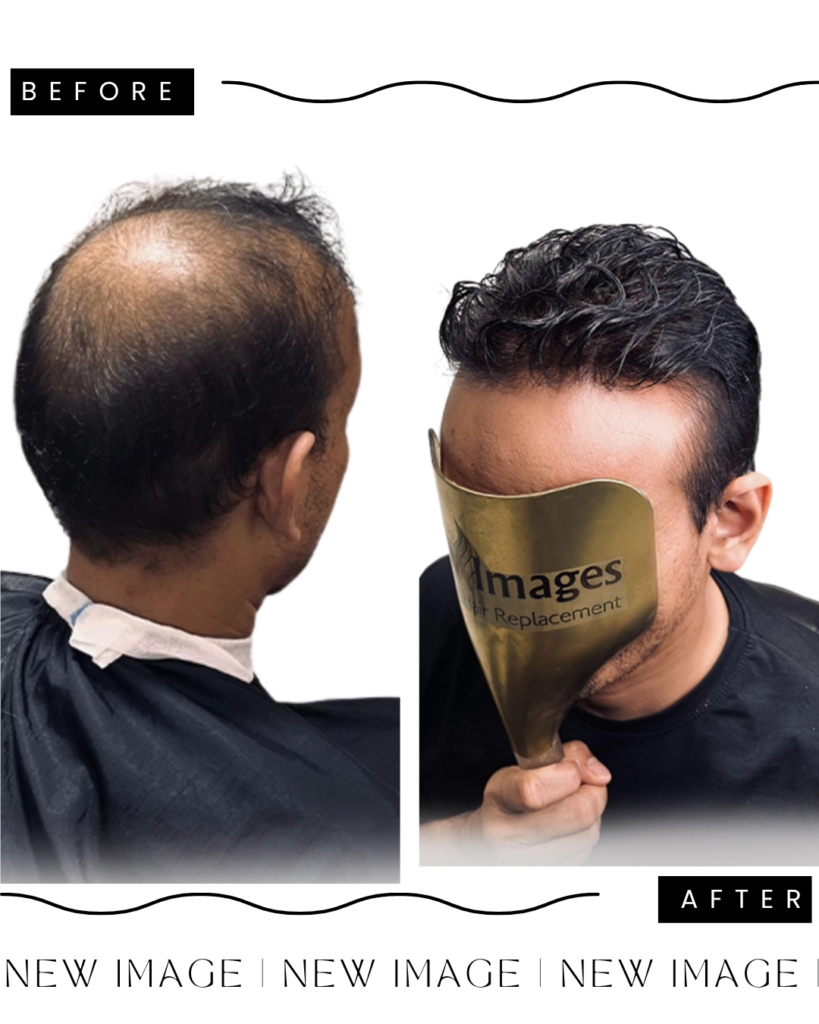
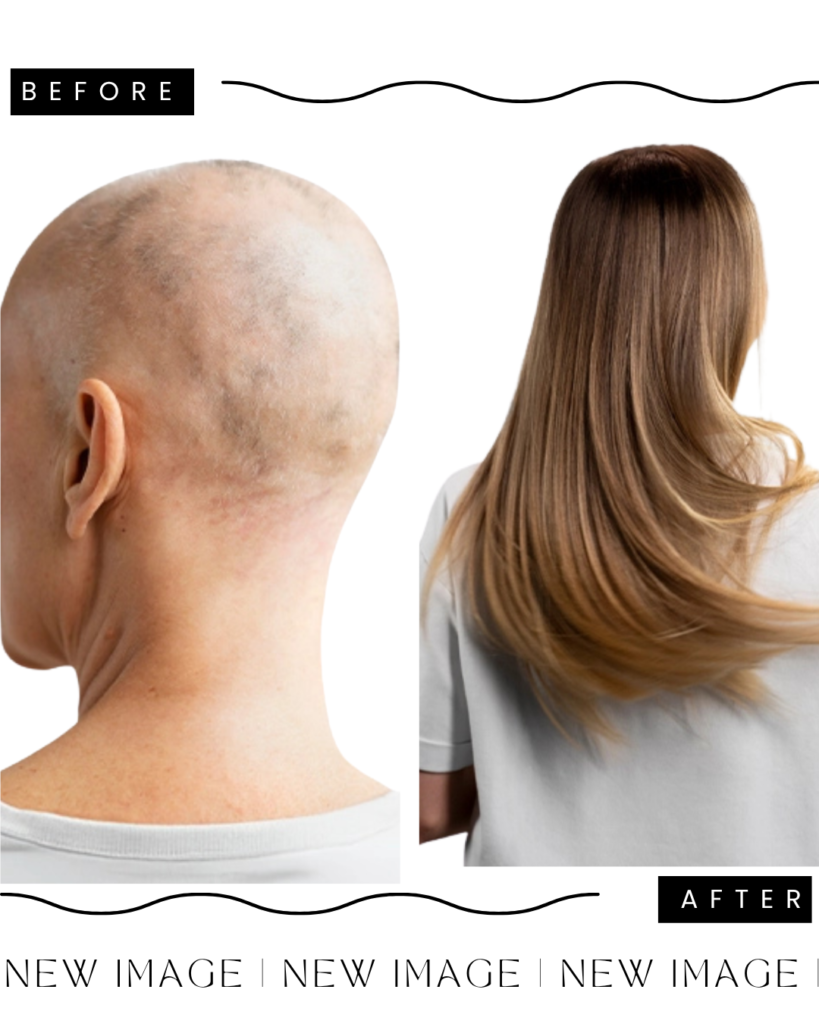


5. Consider the Hair Type
You’ll typically choose between human hair and synthetic hair.
Human hair looks the most natural, can be styled with heat tools, and moves like real hair. It requires more maintenance but delivers the best result.
Synthetic hair holds its shape after washing and is more affordable, but it doesn’t move or reflect light the way real hair does.
For a believable, long-term solution, human hair — specifically Remy hair, where cuticles are aligned — is the gold standard.
6. Don’t Overlook the Cut and Style
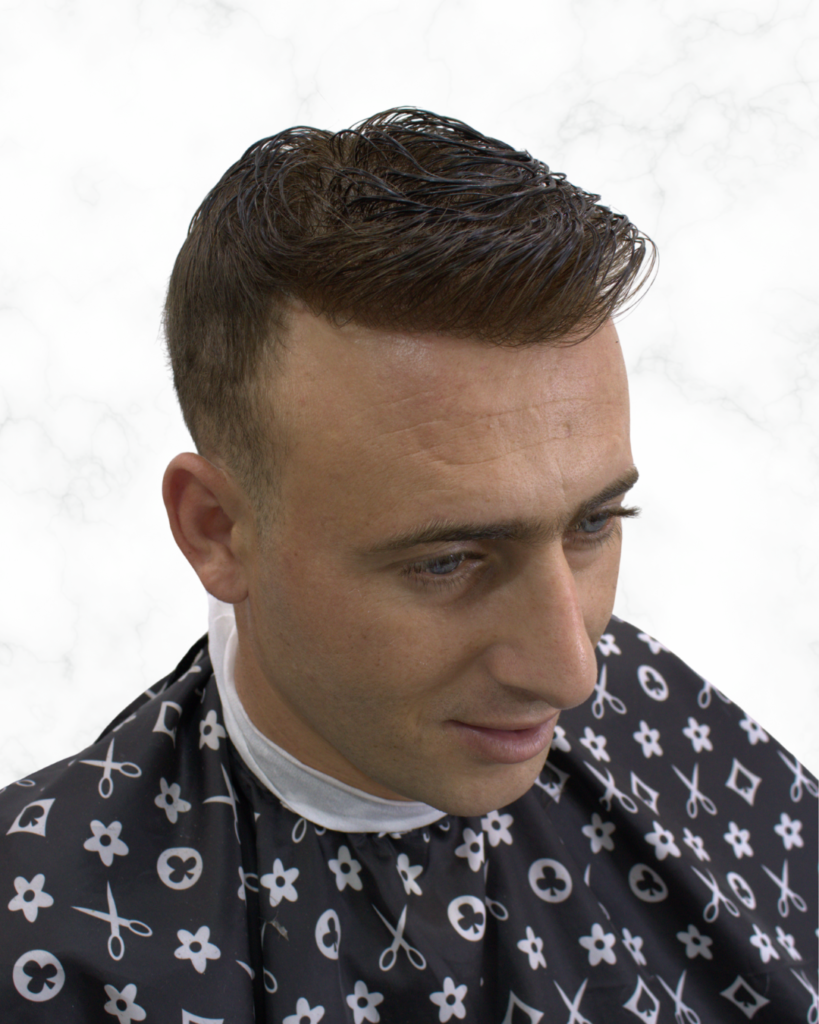
Even the best system will look wrong if it’s cut poorly. The cut should complement your face shape, follow your natural growth direction, and blend seamlessly with any remaining natural hair. Always have your system cut by a specialist experienced in hair replacement — not a general barber.
7. Plan for Maintenance
Every hair system requires ongoing care: cleaning, re-bonding, conditioning, and eventual replacement. Ask about the expected lifespan of the system, the cost of maintenance appointments, and how often you’ll need to return. A system that looks great on day one but falls apart in three weeks isn’t a good investment.
Make the Right Choice — With Expert Help
Choosing your next hair system doesn’t have to be overwhelming, but it does require expert guidance. A professional consultation ensures you get the right base, color, density, and cut for your unique needs — so you walk away with a result that looks natural and feels like you.
Book Your Consultation
Don’t guess when it comes to your appearance. Our specialists will walk you through every option, answer your questions, and help you choose the system that’s right for your hair, your lifestyle, and your goals.
Book your consultation today and take the first step toward a hair system you’ll love wearing every day.
[…] When people notice a hair system looks unnatural,… Read More Uncategorized 03 October 2026 How to Choose Your Next Hair System How to Choose Your Next Hair System If you’re reading this, chances are you’ve either […]