
How to Choose the Right Hair Density for Your Hair System
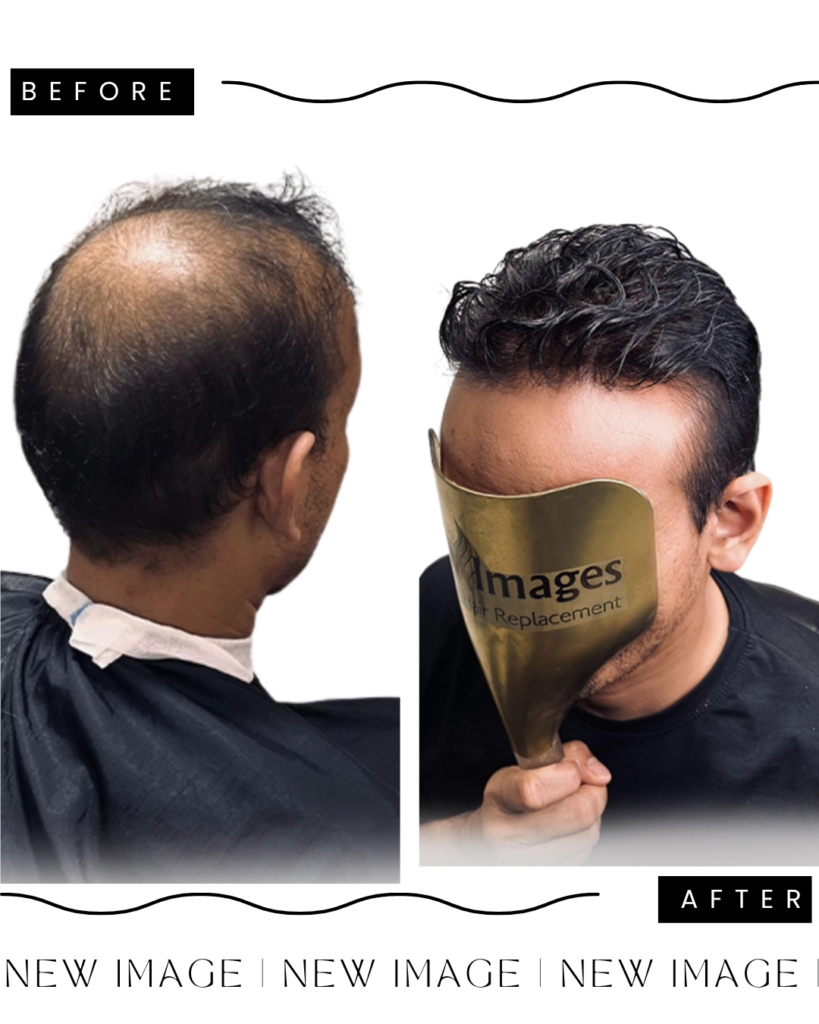
When people notice a hair system looks unnatural, they almost never blame the density. They blame the color, the hairline, or the fit. But in reality, density is one of the most common — and most overlooked — reasons a hairpiece gives itself away. Get the density wrong, and even the most expensive, perfectly colored system will look artificial. Get it right, and the system virtually disappears into a believable, natural-looking head of hair.
Here’s how to choose the right density for your hair system.
What Is Hair Density?
Density refers to the amount of hair attached to the base of your system, usually expressed as a percentage. For example, a 100% density means the base has the approximate hair count of an average full head of natural hair.
The key thing to understand: natural hair is never evenly distributed. It’s lighter at the hairline and temples, gradually thicker toward the crown and back. A good hair system should replicate that pattern, not simply pack every square inch with the same amount of hair.
Understanding the Density Scale
Most hair systems fall into the following ranges:
Light density (60–80%) — Fine, natural-looking coverage. Ideal for older wearers, those with naturally fine hair, or anyone wanting a subtle, age-appropriate look. It also creates the most believable hairlines.
Medium-light density (80–100%) — A popular middle ground. Natural enough for most people while still providing solid coverage.
Medium density (100–120%) — The most common choice. Works well for people in their 30s and 40s with average to slightly above-average natural hair thickness.
Heavy density (120–150%+) — Thick, full hair. Best suited for younger wearers or those who naturally had very dense hair. Beyond 150%, the system almost always looks artificial.
Factors to Consider When Choosing Density
Your Age
Hair naturally thins as we age. A 55-year-old wearing a 130% density system will look just as unnatural as a 25-year-old wearing 70%. Match your density to what’s age-appropriate — lighter as you get older.
Your Natural Hair Texture
If your natural hair was fine and straight, a high-density system will look out of place. If your hair was naturally thick and coarse, you can pull off a higher density. The goal is consistency with what you’d naturally have.
The Hairline vs. The Crown
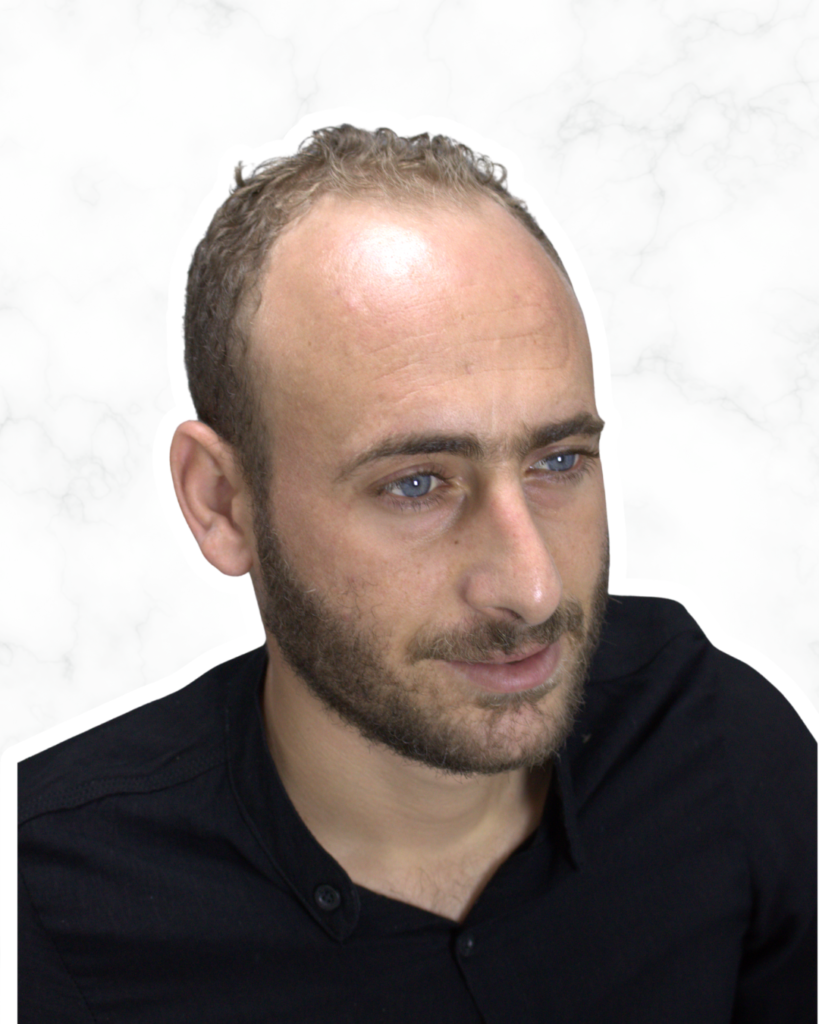
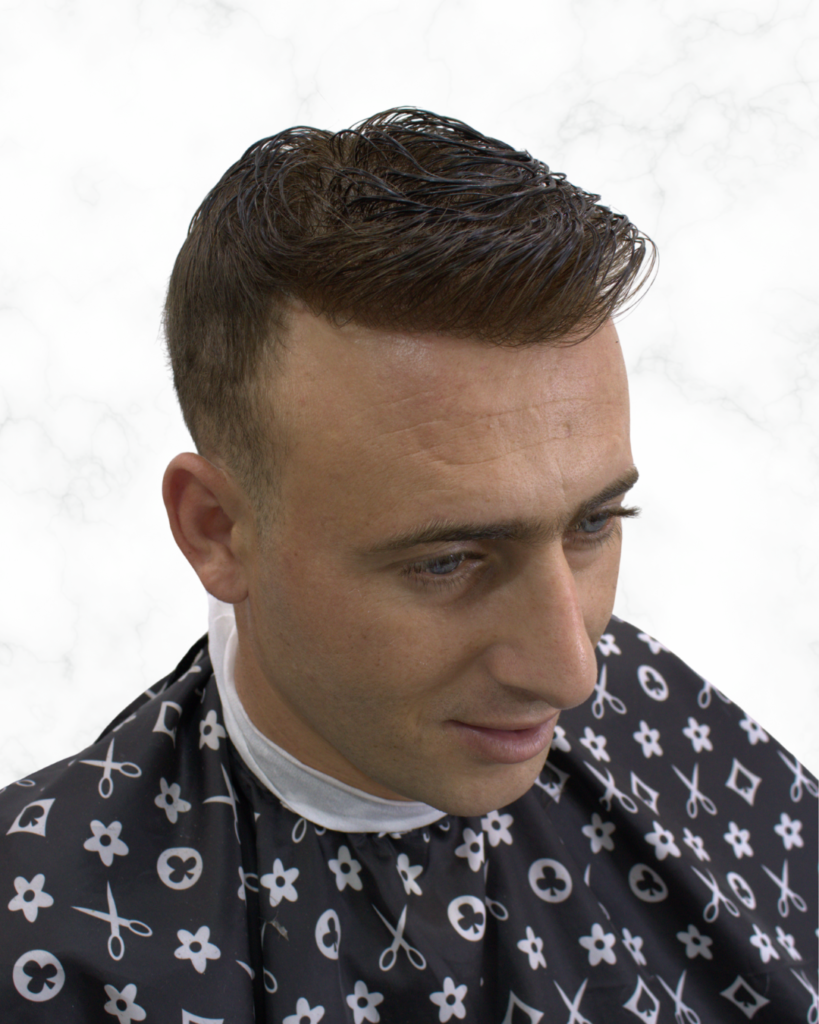
Density should never be uniform across the entire system. The hairline should always be lighter — typically 60–80% — to mimic the soft, feathery hairs that grow naturally at the front. The crown and back can be denser. This gradient is what makes a system look real.
About Me
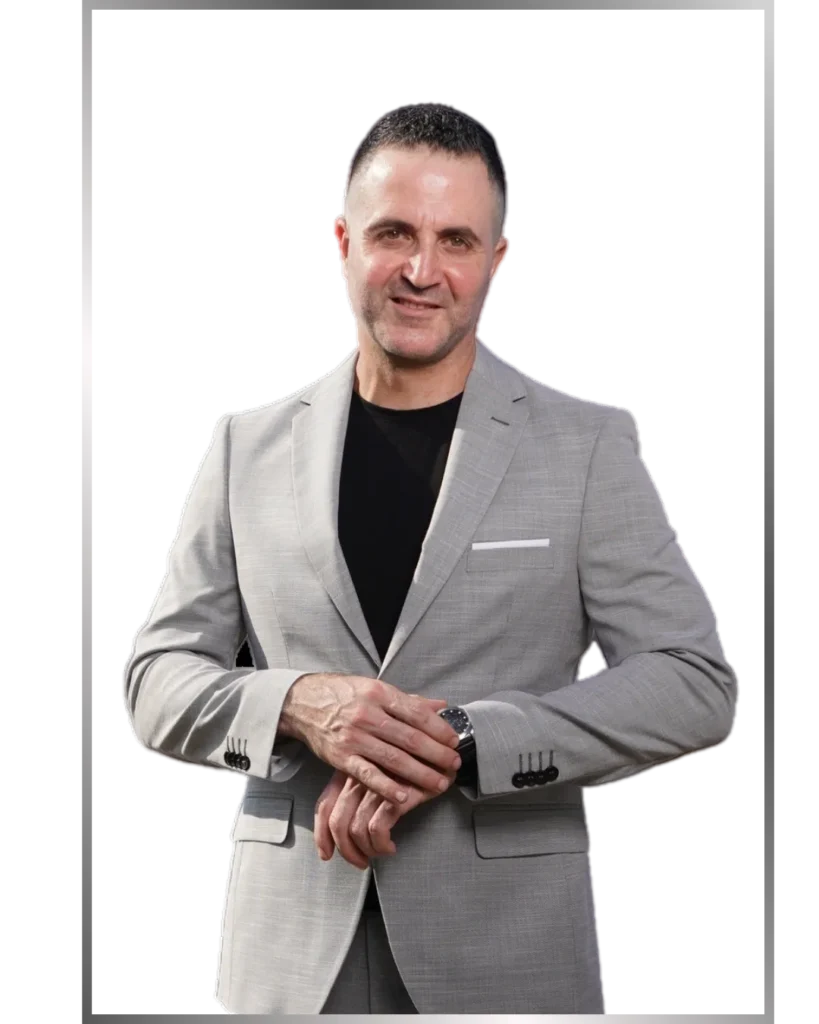
Issam Saadi
Founder, New Image Hair Replacement Centre
With over 25 years of experience in the hair replacement industry, Issam has helped individuals regain not just the appearance of natural-looking hair, but also confidence and self-esteem. With a strong focus on personalised solutions, quality craftsmanship, and understanding each client’s unique needs, their expertise has made New Image a trusted name in professional hair replacement.
Your Lifestyle and Climate
If you live in a hot, humid climate, heavier density can trap more heat against the scalp and feel uncomfortable. Lighter systems are more breathable and easier to maintain.
The Base Material
Thinner base materials (like fine lace) work best with lighter to medium densities. Heavy density on a thin base can cause the hair to lay unnaturally flat or cause the base to wear out faster.
Common Density Mistakes
Going too thick — The number one mistake. People assume more hair looks better, but over-dense hair is the fastest way to signal “hairpiece.”
Uniform density everywhere — A system that’s equally dense at the hairline and crown doesn’t match any natural hair pattern.
Ignoring the sides and back — If you have natural hair at the sides and back, the system’s density should blend with it. A dramatic mismatch between the system and your existing hair is an instant giveaway.
Choosing based on photos online — Density looks different in person than in filtered, well-lit photographs. Always evaluate density with samples or in a consultation.
The Best Way to Decide
The right density isn’t a number you pick from a chart — it’s a decision that should be made with a specialist who can assess your natural hair, your face shape, your age, and your goals. A professional will recommend a density profile that’s custom to you, not a one-size-fits-all percentage.
Book Your Consultation
Choosing the right density can make or break your hair system. Don’t leave it to guesswork. Our specialists will evaluate your natural hair, discuss your preferences, and recommend the perfect density profile for a result that looks completely natural.
Book your consultation today and get expert guidance on every detail of your hair system.